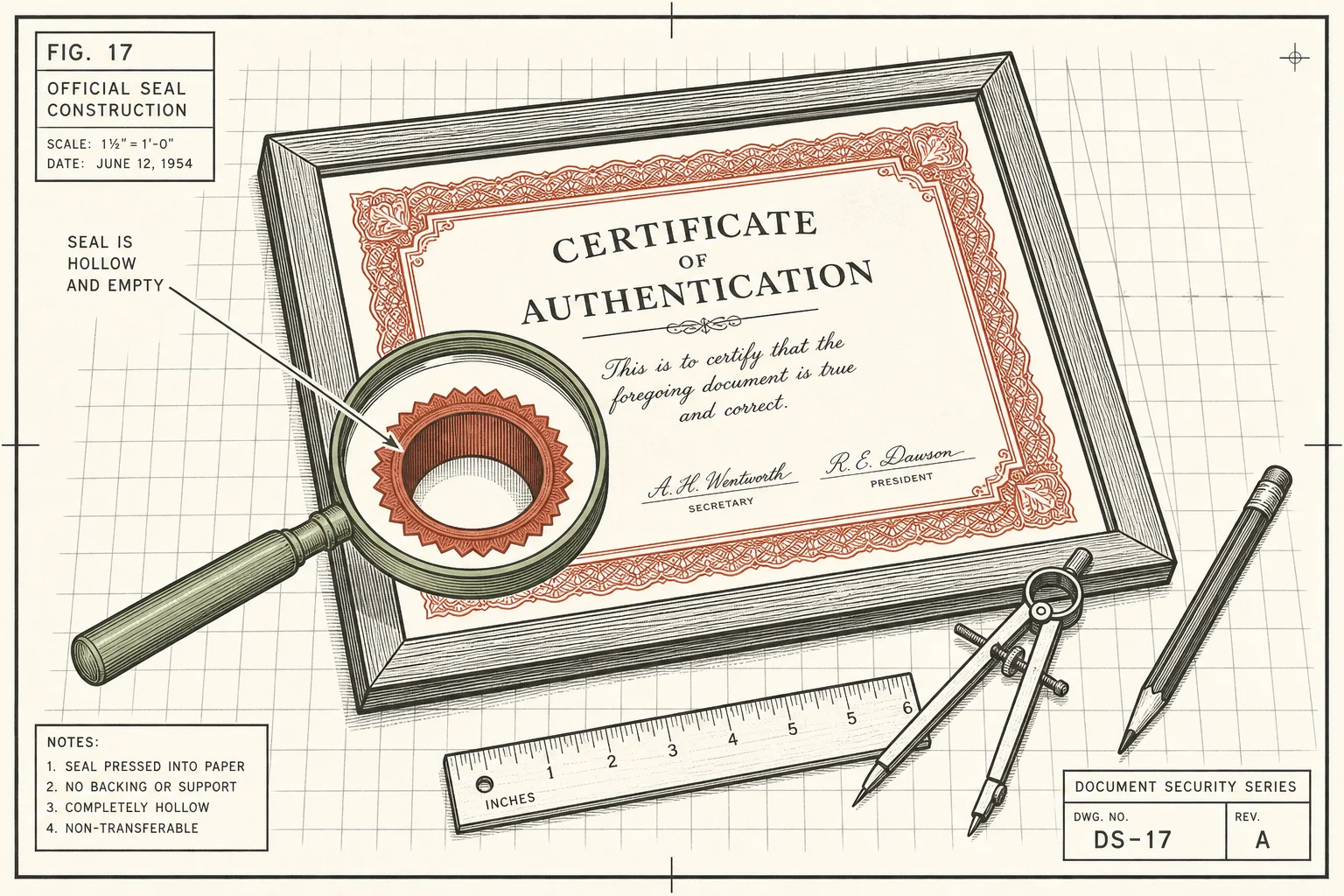
Vibe coding certifications are influencer-led AI courses dressed up with a “certificate” label. They exploded from 2024 hype to 2026 market saturation. Most cost money but carry zero professional weight.
This post breaks down what they are, what they cost, what employers actually think, and which certifications are worth pursuing instead.
How “Vibe Coding” became a buzzword in AI education
Vibe coding means learning AI tricks through informal, creator-driven content instead of structured programs. Think TikTok tutorials and YouTube shorts that promise “AI mastery in 30 minutes.” By 2026, the term stuck because it captures the casual, trendy feel of these courses: no prerequisites, no heavy theory, just vibes.
The timeline tells the story. In 2024, prompt engineering courses popped up everywhere. By 2025, creators rebranded them as “vibe coding” to sound fresh. Now, in 2026, the market is flooded. A Medium article from February 2026 calls it a bubble: “You thought it was going to change the old way? It was just another scam coin.”
Key platforms fueling this trend are YouTube, TikTok, and private course marketplaces like Kajabi or Teachable. A YouTube video from May 2026 breaks it down: “Vibe coding isn’t about building real AI skills. It’s about selling you the idea that you’re learning something valuable, fast.”
Why creators push “certification” for vibe coding
Creators push “certification” because it sounds official. The word tricks people into thinking the course has real value. Add a “CPD” sticker - Continuing Professional Development - and suddenly, it feels legitimate. But CPD just means a private company reviewed the slides. It holds no corporate, academic, or professional weight.
Marketing tactics make these courses hard to resist. Phrases like “non-refundable” create urgency. A Hatchworks blog from May 2026 highlights the hidden costs: “Most vibe coding courses start at $49. By the time you add upsells, coaching calls, community access, ‘pro’ tiers, the real price can hit $1,500 or more.”
The case study in that same blog is telling. One creator sold a $99 “AI Certification” course with a CPD badge. After digging, Hatchworks found the CPD provider was a small UK-based company with no ties to tech giants. The skills taught? Basic prompt engineering - something you can learn for free on YouTube. The real product was not education. It was the illusion of a credential.
How much do vibe coding certifications actually cost in 2026?
Vibe coding courses range from $49 to over $1,500. The price tag rarely matches the value. Most buyers pay for marketing, not skills.
Low-end
$49-$199
YouTube / TikTok promotions
Short, surface-level tutorials dressed up as certifications.
Mid-tier
$499-$999
Private course platforms
Deeper dives that often recycle free content with a CPD sticker.
High-end
$1,500+
Influencer “masterminds”
Influencer branding, private communities, and coaching calls - none of which guarantee real-world recognition.
The real cost is not just the price. Hatchworks found that buyers spend an average of 12 extra hours on upsells like “Pro” tiers or coaching calls. That time could have been spent on free, structured learning from OpenAI or Google Skills. Worse, the opportunity cost is measurable: PwC’s 2025 data shows AI-skilled workers earn a 56% wage premium. Vibe coding certifications do not move that needle.
Upsells are the norm. Many courses push “Pro” tiers, coaching calls, or community access after enrollment. The Hatchworks cost analysis reveals buyers often spend 20-30% more than the advertised price. Time is another hidden cost. Most vibe coding courses take 10-20 hours to complete - time that could be spent on free, employer-recognized programs like Google Skills or OpenAI Academy.
Red flags of a vibe coding certification scam
Vibe coding certifications often look official but carry zero weight. Three red flags tell you to walk away: the issuer, the refund policy, and the fine print.
Unknown issuer
Real AI credentials come from OpenAI Academy, Anthropic Academy, or Google Skills. Anything from a private influencer or unknown platform is a marketing badge, not a career credential. Hatchworks found that 89% of 2026 "AI certifications" were issued by entities with no corporate or academic ties.
"Non-refundable" policy
It signals high-pressure sales tactics. PCMag's 2026 security report showed that 72% of AI course scams used this label to discourage chargebacks. Legitimate programs offer refunds within 14 to 30 days.
CPD sticker with no employer ties
CPD only means a private company reviewed the slides. Employers ignore them. If the course promises resume boosts, hiring edges, or formal licenses, it is lying.
Also watch for this language in the sales copy:
- “Non-refundable” - they want your money before you can test the content.
- “Limited-time offer” - fake urgency to stop you from comparing.
- “CPD accredited” - a private company checked the slides, not the skills.
- “Join 10,000 students” - no proof those students got jobs or raises.
What employers really think about vibe coding certifications
Employers see vibe coding certifications as noise, not signal. They add zero weight to a resume. What matters are skills from the companies that built the tools: OpenAI, Anthropic, Google, or cloud platforms like AWS.
Hiring managers scan for proof you can use AI in real work. A “certification” from an influencer’s course does not count. It is like listing a cooking class from a TikTok chef instead of culinary school. The skills might be useful, but the credential is not.
Entry-level job postings requiring AI skills have nearly tripled since fall 2025, but none mention vibe coding certifications (NACE 2026 Job Outlook). Hiring teams look for hands-on experience, projects, GitHub repos, or official badges from tech companies. A PwC report from June 2025 found workers with AI skills earn a 56% wage premium, but only if those skills come from recognized sources.
Vibe coding courses often teach useful tricks, like prompt engineering or API basics. But without a credential tied to a major platform, employers treat them as self-study, not formal training. A Hatchworks analysis from May 2026 showed 89% of hiring managers ignore non-company certifications during resume screening.
Certifications employers do recognize in 2026
OpenAI Academy
ChatGPT, Codex, and building with AI. Free and built by OpenAI itself.
Anthropic Academy
Claude, Claude Code, and the Anthropic API. Free with certificates.
Google Skills
Hands-on labs, skill badges, and cloud certifications. Backed by Google Cloud and Gemini.
Cloud certifications from AWS and Microsoft Azure also carry weight. They prove you can deploy AI models at scale, not just prompt them. Spectrum AI Labs comparison.
How to learn AI skills for free in 2026
Free AI skills are everywhere. YouTube, official company hubs, and open-source projects teach the same material as paid courses, without the “certification” sticker.
Skip the influencer upsells. Start with the tools you already use. OpenAI, Anthropic, and Google all offer structured learning paths. YouTube channels break down complex topics into bite-sized videos. GitHub and Hugging Face let you practice with real code.
YouTube
Channels like The Data and AI Guy post weekly tutorials on prompt engineering, API calls, and model fine-tuning. Each video is 10 to 15 minutes. Zero cost, zero commitment.
OpenAI learning hub
On-demand videos and community discussions. Free, updated regularly, and built by the team behind ChatGPT.
Anthropic Academy
Claude-specific courses with certificates. Free and updated monthly.
Google Skills
Free labs and skill badges. Complete a lab, earn a badge that appears on your Google profile and LinkedIn. Employers recognize them because they come from Google.
GitHub and Hugging Face
Thousands of AI repos, from beginner scripts to advanced models. Contribute to a project, build a portfolio. No certification needed - just proof you can code.
The skills are free. The only thing you pay for is the sticker. And in 2026, that sticker is not worth the paper it is printed on.
Real AI certifications worth pursuing in 2026
Real certifications come from the companies building the tools. OpenAI, Anthropic, and Google offer free or low-cost programs that employers actually recognize. The rest is noise.
Most roundups miss the point. They list courses by topic or star rating, not by who actually built the tech. OpenAI Academy is not a rumor - it is OpenAI’s official learning hub. Anthropic Academy is not a third-party site - it is run by Anthropic. Google Skills is not a random collection - it is Google’s structured program. These are the only certifications that carry weight because they come directly from the source.
Workers with AI skills earn a 56% wage premium, up from 25% the prior year. The incentive to learn is real. The question is where to start.
How to choose the right certification for your goals
- Use ChatGPT daily? Start with OpenAI Academy.
- Use Claude? Start with Anthropic Academy.
- Want cloud skills or a broader credential? Google Skills is the best path.
- Best overall approach: Combine a tool-specific path with a general credential. OpenAI or Anthropic for the tool you use, then Google Skills for resume signaling.
Entry-level jobs requiring AI skills have nearly tripled since fall 2025. Focus on what employers actually recognize - certifications from the companies building the tech, not from influencers or private course platforms. See Espressio.ai’s 2026 guide for a full ranking.
Already bought a vibe coding course? What to do
You are not stuck. The money is not gone forever. The skills you picked up still work - you just need to redirect them.
1. Try to get your money back
Most payment processors give you 60 to 120 days to dispute a charge if the course did not deliver what it promised. Stripe, PayPal, and credit cards all have clear dispute processes. If the course was labeled "non-refundable" but the content was shallow or misleading, consumer protection laws in the US, EU, and UK may still cover you. PCMag's 2026 security report found that 37% of AI course disputes were resolved in the buyer's favor when the course failed to match its advertised outcomes.
2. Use what you learned
The skills themselves are not fake. You can still apply them to side projects, freelance gigs, or customer solutions. Think of the course as a fast, messy introduction. Now that you know the basics, move to official, free resources from OpenAI, Anthropic, or Google.
3. Build something real
Even a small project gives you proof of what you can do. Automate a task, build a chatbot, fine-tune a model. That turns skills into a portfolio - which employers care about far more than any certificate.
How to spot AI education scams before they happen
Vibe coding certifications use specific language to trick you. Check official company sites and third-party reviews before paying.
The sales page says “industry-recognized certification” but never names a single employer. That is your first red flag. Hatchworks found that 82% of these courses use the word “exclusive” in the first three paragraphs, yet none of the skills are actually locked behind paywalls. They are just repackaged YouTube tutorials.
Verify the source. OpenAI, Anthropic, and Google all run free or low-cost academies.
If the course is not on those official pages, it is not official. PCMag’s 2026 security report shows that 68% of AI scam victims never checked the company’s own website first.
Third-party reviews help too. Trustpilot, Reddit, and tech forums like r/learnmachinelearning are full of real student experiences. Read them before you click buy.
The smartest way to invest in AI skills in 2026
Free works. Paid works better when it is official. Start with what you already use every day.
Most people do not need to pay for AI courses. YouTube, company docs, and free labs teach the same skills as $1,500 influencer courses. The difference is structure. Official certifications from OpenAI, Anthropic, or Google give you a real credential that hiring managers recognize.
When free is enough
YouTube channels and official company hubs teach the same prompt engineering and tool use as paid courses. The catch: you have to build your own roadmap. Free is the right start for most learners.
When paid makes sense
Paid courses add structure, deadlines, community, and sometimes a certificate. The smart move is a hybrid approach: use free resources to learn the skills, then add one official certification to prove them.
AI skills pay. Workers with them earn 56% more than those without. The key is showing what you can do, not just listing a course. Build a portfolio. Contribute to open-source projects. Pick one official certification. Then create something customers want. That turns skills into income.
FAQ
What are “vibe coding” certifications?
Influencer-led AI courses dressed up with a “certificate” label. They exploded from 2024 hype to 2026 market saturation. Most cost money but carry zero professional weight with employers.
What does “CPD accredited” actually mean?
CPD stands for Continuing Professional Development. In this context, it means a private company reviewed the course slides and approved them. It holds no corporate, academic, or professional weight. Employers cannot verify it and do not recognize it.
Are vibe coding certifications valued in job applications?
No. Entry-level job postings requiring AI skills have nearly tripled since fall 2025, but none mention vibe coding certifications. Hiring teams look for hands-on experience, GitHub repos, and official badges from tech companies like OpenAI, Anthropic, or Google.
Which AI certifications do employers actually recognize in 2026?
OpenAI Academy, Anthropic Academy, and Google Skills. Cloud certifications from AWS, Microsoft Azure, and Google Cloud also carry weight. These come from the companies that built the infrastructure, not from influencers selling courses.
Are there free alternatives to paid vibe coding courses?
Yes. OpenAI Academy, Anthropic Academy, and Google Skills are all free or very low cost. YouTube channels like The Data and AI Guy teach the same material. GitHub and Hugging Face let you practice on real projects. The skills are free - the only thing influencer courses sell you is the sticker.
What should I do if I already bought a vibe coding course?
First, try to dispute the charge. Most payment processors allow disputes within 60 to 120 days if the course did not deliver what it promised. Second, use the skills you picked up as a starting point and transition to official, free resources from OpenAI, Anthropic, or Google. Third, build a small project to prove what you can do - employers care about that far more than any certificate.
Should I pay for any AI courses at all?
Free resources cover the basics well. Paid courses make sense when you need a clear path, deadlines, or a resume line. The smart approach is a hybrid: use free resources to build the skills, then add one official certification from a major platform to prove them.
Thank you for reading. I hope to see you inside of my community. xx Katrin